
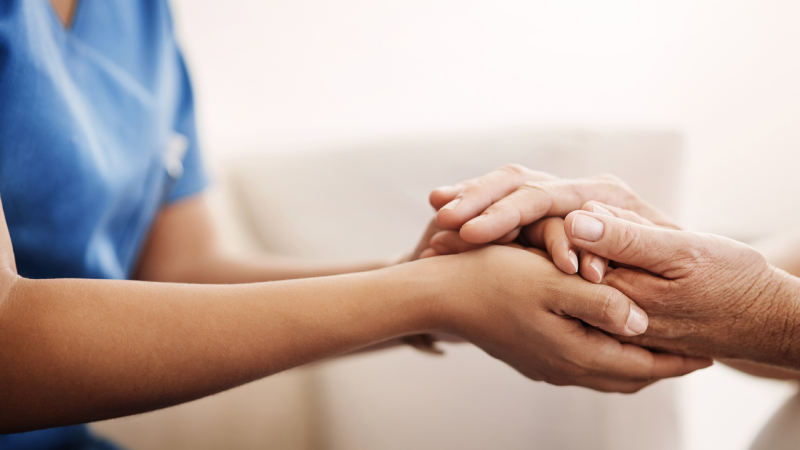
Oncology nursing is one of the most complex and meaningful specialties in healthcare. It represents a unique blend of science, empathy, advocacy, and skilled coordination—supporting patients and families as they navigate the physical and emotional landscape of a cancer diagnosis. Far beyond administering therapies or arranging schedules, oncology nurses provide whole-person care, addressing medical, psychological, social, and spiritual needs with equal diligence.
Science Anchored in Expertise
Oncology nurses are highly skilled clinicians who integrate evidence-based practice with cutting-edge science. Advances in precision medicine—including targeted agents, immunotherapies, and cellular therapies—require nurses to expertly monitor for toxicities, recognize complications early, and educate patients on increasingly complex regimens. The Oncology Nursing Society emphasizes the importance of specialized training in symptom management, survivorship, and end-of-life care, underscoring that oncology nurses are not only caregivers but also educators and safety champions (ONS, 2023).
Their expertise and responsibilities extend beyond treatment delivery. Oncology nurses serve as advocates for screening and prevention, guiding patients on risk-reduction strategies supported by organizations like the American Cancer Society and the U.S. Preventive Services Task Force. By translating guidelines into practical, patient-centered, and evidence-based care, they ensure that science is never abstract but directly connected to outcomes.
The Art of Healing Presence
While oncology nursing is firmly grounded in science, its essence lies in the art of presence and compassion. Patients with cancer frequently encounter fear, uncertainty, and significant life disruption. Nurses provide not only medical care but also comfort, reassurance, and hope. Research consistently demonstrates that therapeutic communication and emotional support from oncology nurses improve patient satisfaction, adherence to treatment, and overall quality of life (Marta, 2024; Young et al., 2020).
The “art” in oncology nursing manifests in small but profound ways—sitting quietly with a patient awaiting scan results, supporting families during difficult conversations, or celebrating milestones in survivorship. These acts humanize the cancer experience, reminding patients they are more than a diagnosis—they are seen, supported, and valued.
Leadership and Advocacy
Oncology nurses are often the linchpin of interdisciplinary teams, bridging communication among oncologists, pharmacists, social workers, and palliative care specialists. Their advocacy extends to the system level, where they champion quality improvement initiatives, equitable access to care, and policy changes that reduce disparities. For example, nurse-led navigation programs have been shown to increase timely treatment initiation and reduce barriers for underserved populations (Chen et al., 2024).
By uniting skilled bedside practice with strategic leadership, oncology nurses drive meaningful change—improving individual patient journeys while advancing outcomes across the wider cancer care system.
Embracing Survivorship and Beyond
Cancer no longer represents an acute episode of illness but often a chronic condition. Survivorship care—focusing on long-term side effects, psychosocial health, and prevention of recurrence—is central to oncology nursing. The National Cancer Institute highlights survivorship planning as a critical component of comprehensive cancer care, and nurses are at the forefront of implementing and personalizing these plans (NCI, 2023).
Equally important is the role oncology nurses play in end-of-life care. Guiding patients and families through palliative and hospice transitions with dignity and compassion is an art form in itself. By integrating comfort-focused care, oncology nurses ensure that the final chapter of life is written with grace and respect.
The essence of oncology nursing lies in its dual identity: clinicians grounded in science and healers grounded in compassion. By integrating clinical expertise, therapeutic communication, leadership, and advocacy, oncology nurses uphold the highest ideals of healthcare. Whether in infusion centers, inpatient units, navigation programs, research settings, or survivorship clinics, they walk beside patients and families with unwavering presence and skill.
They are, unequivocally, the art and heart of oncology.
Faith Selchick, DNP, RN, AGNP-BC, AOCNP, OCN, is the 2025 recipient of the Cancer Nursing Today CARE Award. She is the Assistant Vice President of Cancer Services of the Westchester Medical Center (WMC) Health Network, Western Region.
link