


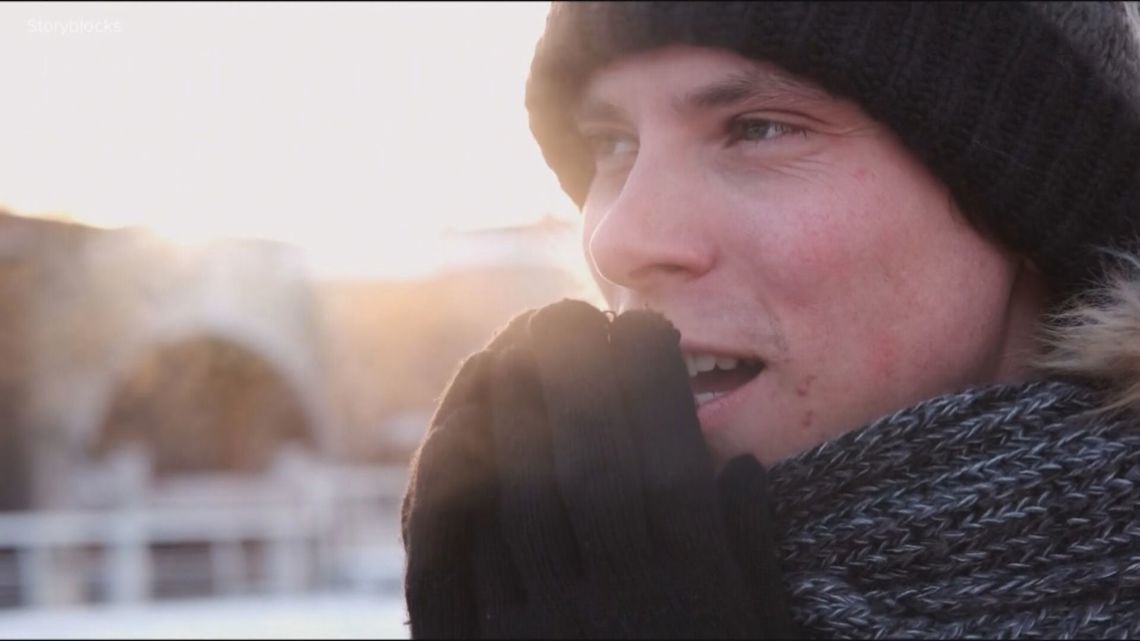
As temperatures rise and fall dramatically, Memphians wonder if the weather is making them sick.
After days of bitterly cold temperatures, many Mid-Southerners will experience a dramatic swing in the other direction, with temperatures set to climb back into the 60s. That swift change in the forecast leaves many Memphians concerned about how the weather might affect their health.
As temperatures swing back and forth, doctors report that many people blame the forecast, but the real cause is often something else.
“The changes in the weather really don’t affect those things except that they increase your risk of exposure to respiratory viruses,” said Le Bonheur Children’s Hospital’s division chief of pediatric infectious diseases, Sandy Arnold.
The start of winter in the Mid-South is often characterized by painfully low temperatures that could rebound back to Autumn-like weather on any given day.
Arnold said cold air and wind can irritate the eyes and airways, especially for people with asthma.
“When it’s cold out … [the] wind will make your eyes water,” Arnold said. She added that when people’s eyes water, it can make their noses run.
“I think that’s why a lot of people think that being out in the cold gives them a cold because anything that makes your eyes water is going to … give you more nasal congestion,” she said.
Arnold said that vulnerability to respiratory viruses is based on immunization status, age and how competent one’s immune system is.
Winter is also the peak time for influenza, and doctors are seeing an uptick in cases.
Arnold said that it is the time of year, not the day-to-day temperature, that drives virus circulation.
“The general change in the weather — from warmer weather to cooler weather, for example, influenza — circulates better in cool air. And that’s why we see yearly influenza outbreaks when it gets cooler,” she said.
Arnold said it is difficult to predict who will get severely sick from these viruses. She said the best way to protect yourself is to be immunized.
“You also want to not expose people to your illness when you have one, so stay home as much as you can and stay away from other people in your home,” Arnold said. “Cough into your arm instead of into your hands, try not to cough and sneeze on other people.”
Arnold said focusing on prevention rather than the forecast is the best way to stay healthy this winter.
link